
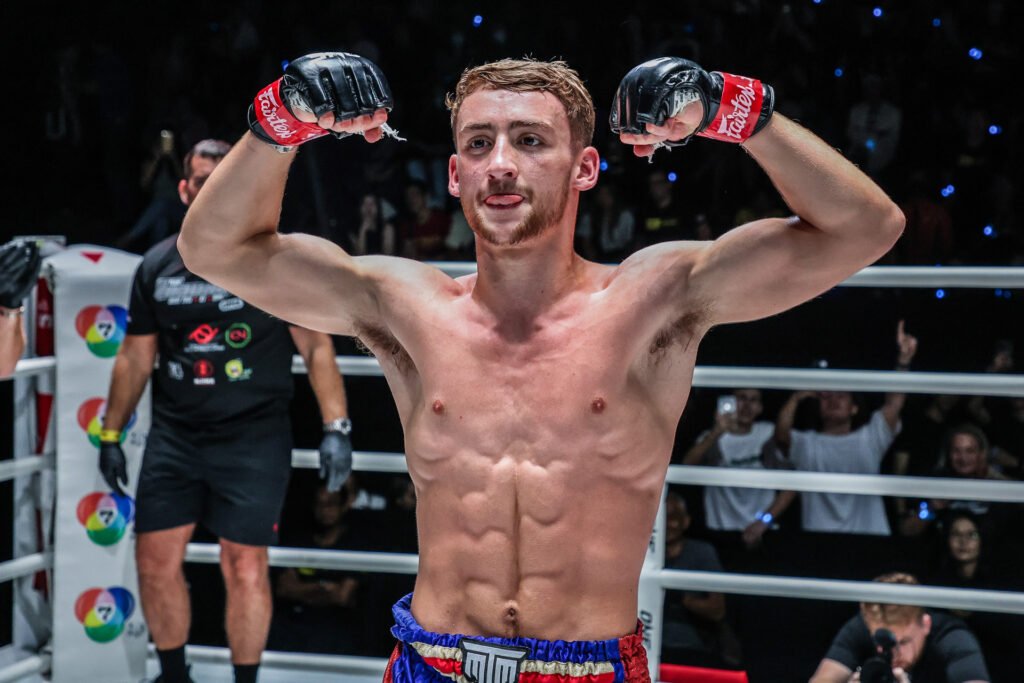
Before Freddie Haggerty ever threw a punch, he was performing in front of thousands of people every week. The crowds were real, the pressure was real, and the spotlight was as bright as anything Lumpinee Stadium will produce this Friday. He just knew, even then, that it was the wrong stage.
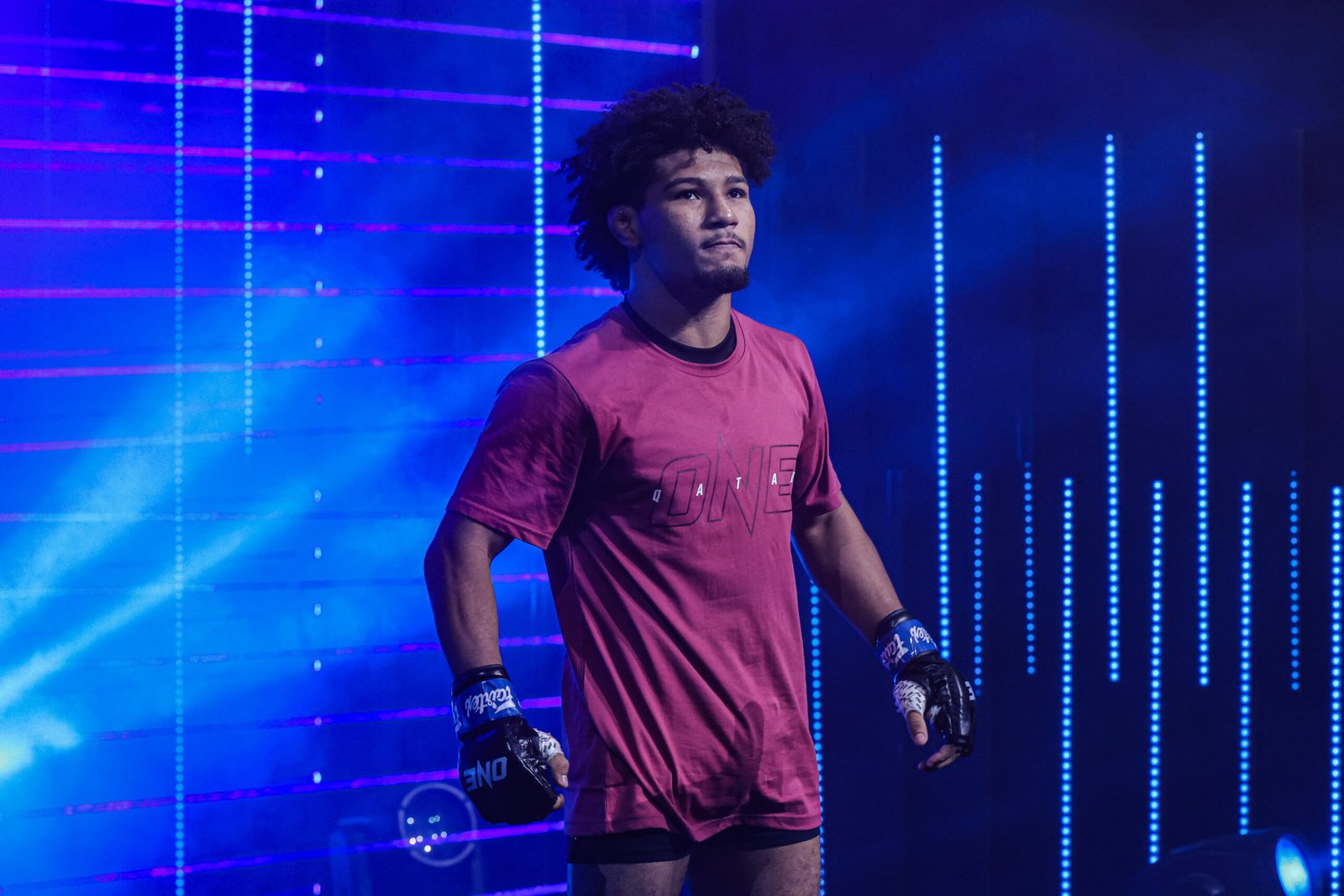
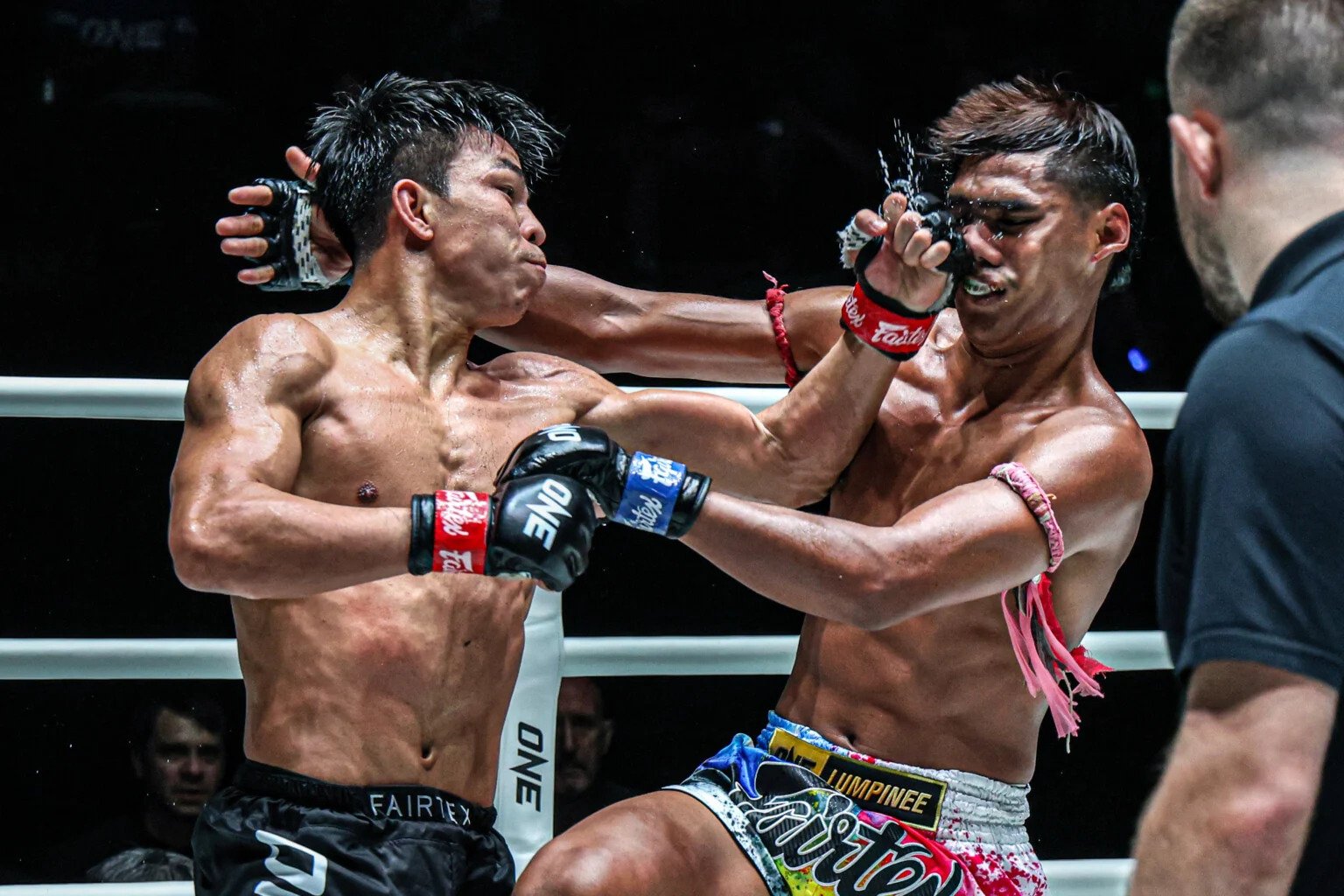
The 21-year-old Team Underground and Knowlesy Academy striker faces Yonis Anane in strawweight Muay Thai at The Inner Circle on Friday, May 22, live in Asia primetime from Bangkok, Thailand. The path that brought him there began at a London dance school, continued through two of the West End’s biggest productions, and ended with a 9-year-old boarding a flight to Thailand and never looking back.
It started by accident. Haggerty had followed his older sister to dance school with no intention of performing himself, when a single audition opportunity arrived without warning. He took it, landed the role of Eric in Matilda the Musical, and spent a year on one of the most celebrated stages in England.
“I had a sister about a year older than me. She went to dance school, and one day, I went with her,” Haggerty said. “I’d never acted, never sung in my life — just danced — and the dance school said, ‘We’ve got an audition for you. Go for it, see what happens.’ I did well, I guess, and somehow I ended up getting the role.”
Charlie and the Chocolate Factory followed, where Haggerty played Mike Teavee. The schedule was relentless. He acted in four performances a week, had to cover for castmates who lived further from the West End, and signed contracts that expressly prohibited him from doing the one thing he had always wanted to do.
“I was always moaning cause I wasn’t allowed to fight,” he said. “I wasn’t allowed to get bruises and whatnot. It was frustrating, but I had to do what I had to do.”
The gap between his two West End contracts became the turning point. His family took him to Thailand, he had his first fight at 9 years old, and the clarity that followed was immediate. He returned to England, completed his run as Mike Teavee, and when the production offered four additional months, turned it down without hesitation.

“I just said, ‘I don’t want to do it no more,'” Haggerty said. “I want to be a normal kid. When I say a normal kid, I mean I just want to fight. For me, fighting is just something so normal and natural. It was something already there. My father had laid the path. My brother, too. Naturally, that was always going to be in my blood.”
His castmates went on to music careers and further theater work. Haggerty went to gyms. The West End, however, left behind two things that have served him directly ever since. The first is composure in front of massive audiences. He now has ability to block out thousands of watching eyes and execute under pressure, which transfers directly into a Lumpinee Stadium main event without any adjustment required.
“Given how big the theatres are, I think I learned from a young age how to cope with big audiences,” he said. “I could fully focus on what needs to be done at hand. I never let the fans distract me.”
The second is the media fluency that modern combat sports demands as much as any technical skill inside the ring. The camera never intimidated him because it never needed to.
“My heart belonged on a different stage,” Haggerty said. “I always had a dream. I knew from a young age what I wanted to do. Saying goodbye to acting was probably one of the easiest decisions I’ve had to make in my life. But, obviously, for my parents, it wasn’t so easy. My mum was heartbroken. But they didn’t stop me from pursuing what I would describe as my calling.”