
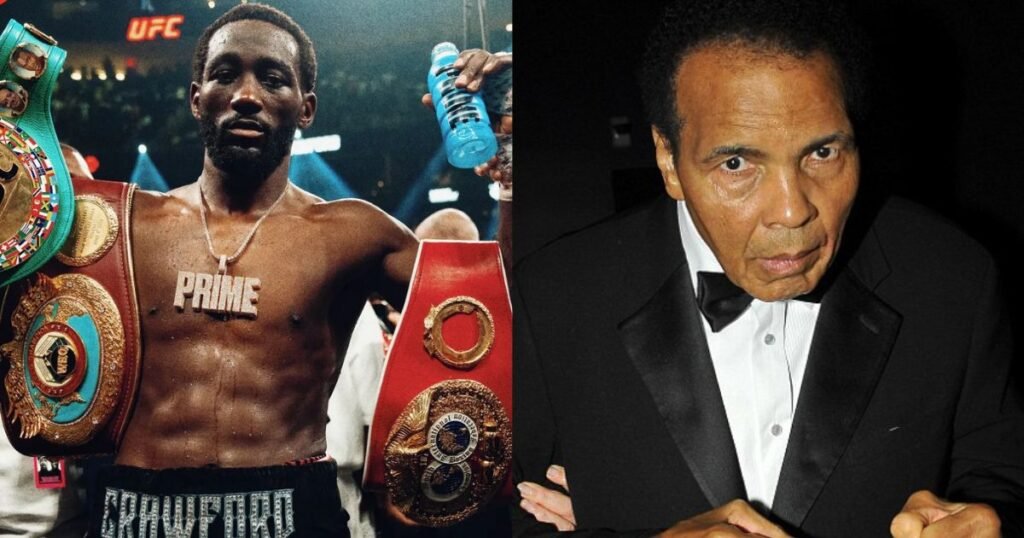
Terence Crawford is widely regarded as one of the most accomplished fighters of the modern boxing era. Crawford made history as the first male boxer to become an undisputed champion in two weight divisions during boxing’s four-belt era.
Remaining undefeated throughout his career, Terence Crawford consistently outclassed elite opponents, including Canelo Alvarez in his last fight. As speculation about his next fight began, Crawford, at 38, shocked many by announcing his retirement from professional competition.
In a recent interview, Crawford explained prioritizing long-term health, legacy, and family over continuing to chase accolades inside the ring. He cited lessons from Muhammad Ali’s post-retirement struggles as a powerful influence behind his difficult yet thoughtful decision.
“We all look up to Ali as the most iconic boxer ever, and to see him deteriorate like he did, we don’t wanna be like that, You’re the greatest fighter of all time but you can’t take care of yourself… Is it worth it? No, it’s not,” Terence Crawford via Pivot Podcast.
Muhammad Ali was a transformative figure who reshaped boxing with unmatched charisma, confidence, and brilliance inside and outside the ring. He headlined numerous high-profile bouts, captivating global audiences, while inspiring generations of young fighters with his voice and principles.
Ali’s influence extended beyond sport, as his activism, wit, and courage elevated boxing into mainstream cultural and political conversation. However, following retirement, Ali faced severe health struggles after being diagnosed with Parkinson’s disease, which deeply impacted his later years.
In his final years, Ali battled declining health and mobility, requiring constant care, and public appearances became increasingly rare. He passed away at seventy-four from septic shock, with many believing repeated head trauma from fighting contributed significantly.

SHOP: Kickboxing Equipment
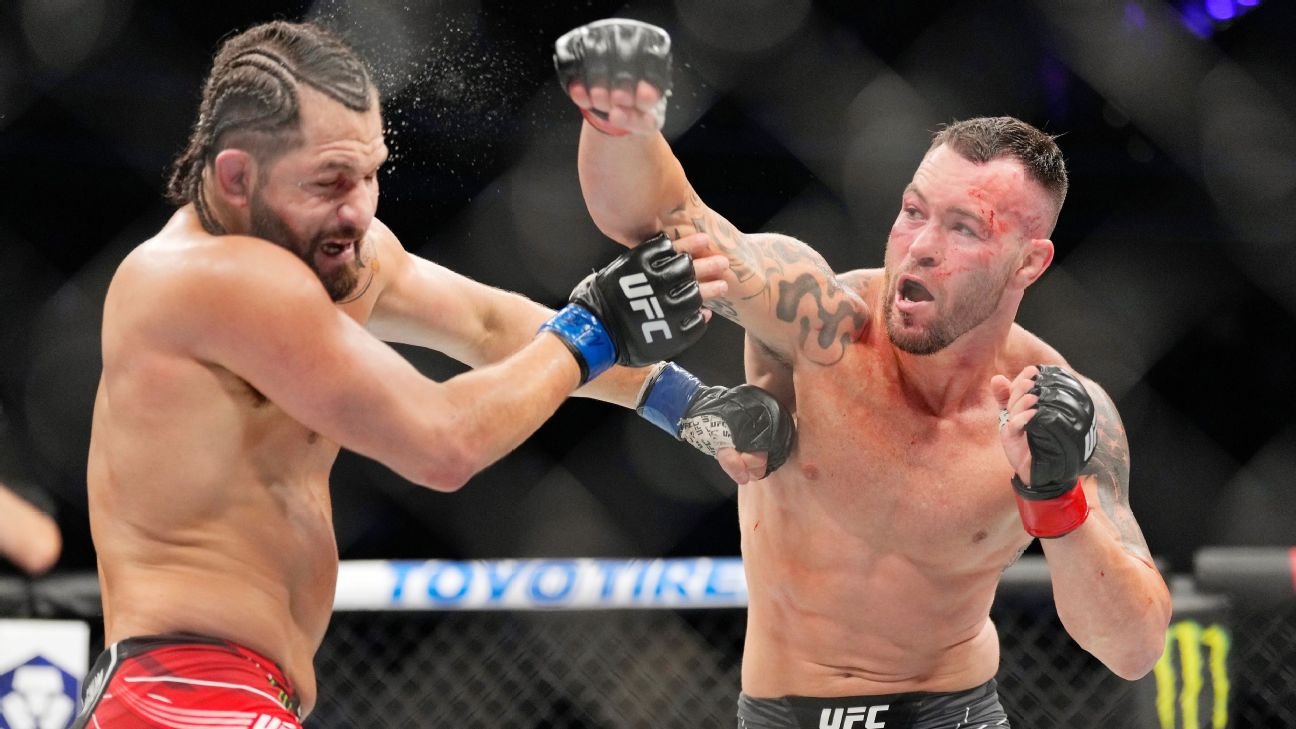
Boxing and MMA are among the world’s biggest combat sports, demanding extreme physical sacrifice whenever fighters enter the ring or Octagon. In both sports, athletes knowingly risk serious injury, long-term health consequences, and even their lives for competition glory.
A long-standing debate persists over which sport causes more severe long-term damage to fighters’ bodies and brains. Veteran MMA champion Daniel Cormier once discussed these dangers in detail, offering insight from experience at the highest level.
“Boxing is more dangerous than MMA. ‘Oh, how could you say that when they’re only boxing and they can’t jump on you when you hit on the ground when you fall.’ I said I would argue with you that that’s safer than you knocking me out bang. My body, which is trained for my whole life to get up gets up. They count to 8 or 9 and they say go fight more when I’m still concussed,” said Daniel Cormier via JRE.
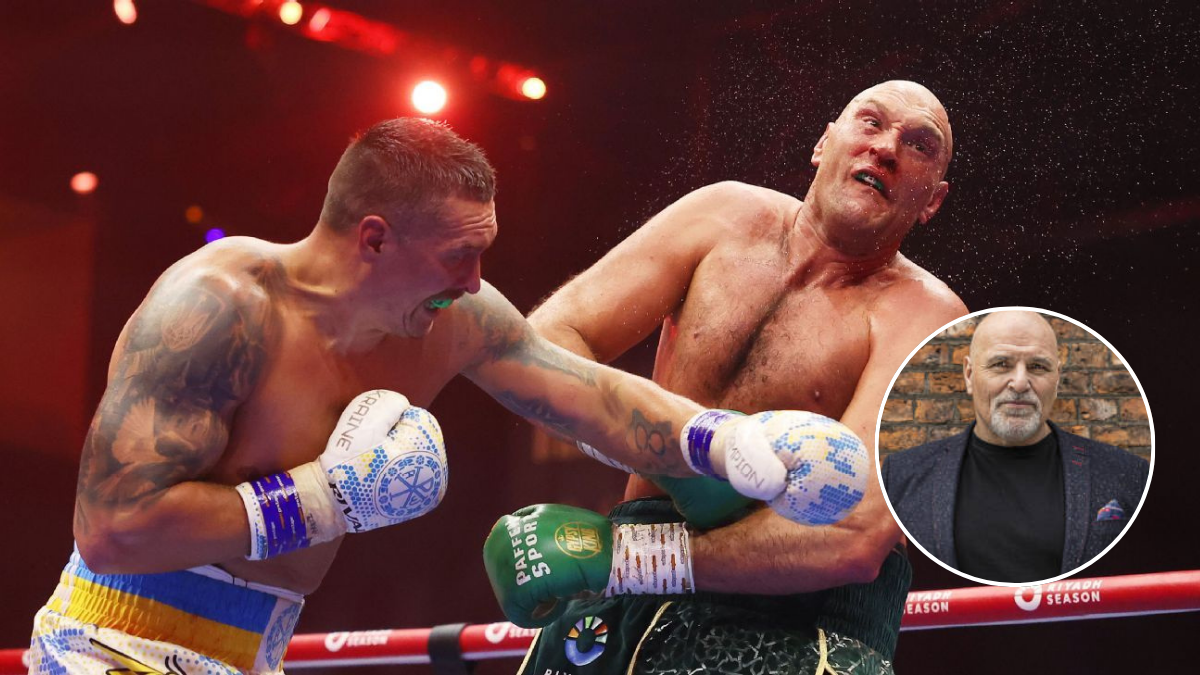
MMA fighters frequently suffer broken bones, damaged limbs, fractured skulls, and severe cuts due to diverse combat techniques. Boxers, however, are more susceptible to repeated head trauma, increasing long-term risks of CTE significantly. This neurological condition can affect memory, behavior, and overall quality of life long after fighters retire.
READ MORE: “I’ve Got Proof”- Deontay Wilder Accuses Tyson Fury of Being Boxing’s ‘Biggest Cheater’