
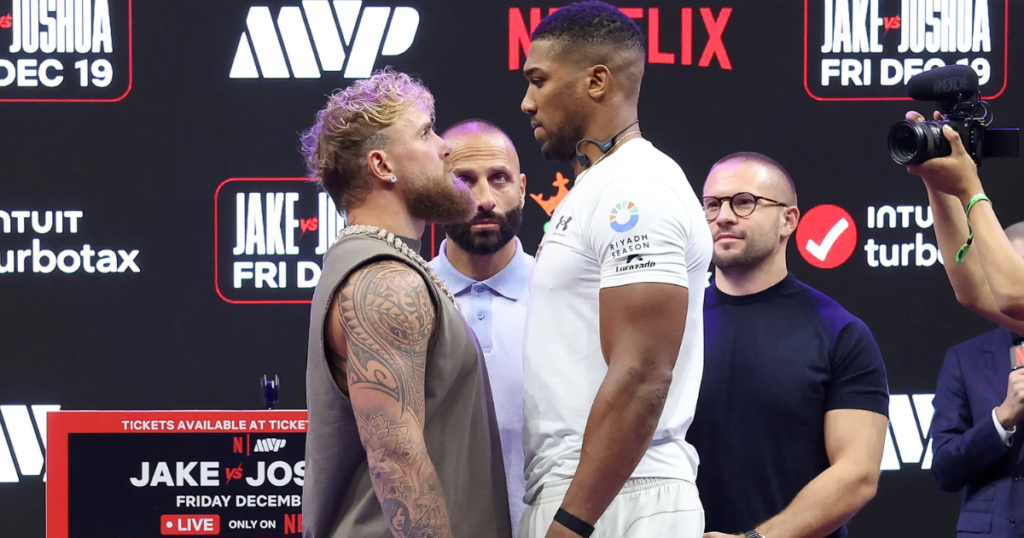
Jake Paul standing across the ring from Anthony Joshua would have sounded absurd just a few years ago. Yet boxing in 2025 is no longer driven purely by rankings, belts or tradition. It is driven by attention, momentum and the ability to deliver an event that platforms and fans cannot ignore. Paul has understood that better than most, and his upcoming fight with Joshua underlines how modern boxing business is often won outside the ropes before a punch is ever thrown.
Paul’s journey has been heavily criticised, but it has also been undeniably effective. He has consistently put on big shows, filled arenas and attracted mainstream audiences that boxing often struggles to reach. While established fighters argue over terms, rematch clauses and legacy protection, Paul has moved quickly, taken risks and kept himself relevant. That approach has now led him into a ring with a former two-time unified heavyweight champion.
There is an uncomfortable truth in that for many traditional boxers. Fans have spent years calling for the biggest heavyweight fights to be made, yet time and again those matchups stalled. Meanwhile, an outsider with no amateur pedigree has managed to secure one of the sport’s most recognisable names by making the fight commercially irresistible.

SHOP: Kickboxing Equipment
Jake Paul’s biggest lesson to boxers is simple: make yourself unavoidable. He does that by selling narratives, guaranteeing eyeballs and ensuring promoters and broadcasters see value before negotiations even begin. His fights are events, not just bouts, and that gives him leverage that many ranked fighters do not have.
By contrast, boxing fans were once convinced that Anthony Joshua vs Deontay Wilder was inevitable. Around 2018 and 2019, when both men held world titles, there was a genuine opportunity to make what would have been one of the biggest heavyweight fights of the modern era. While it would not have been an undisputed title fight in the true sense, it had all the ingredients of a defining clash: knockout power, unbeaten records at the time, and global interest. Negotiations dragged on, priorities shifted, and the moment passed.
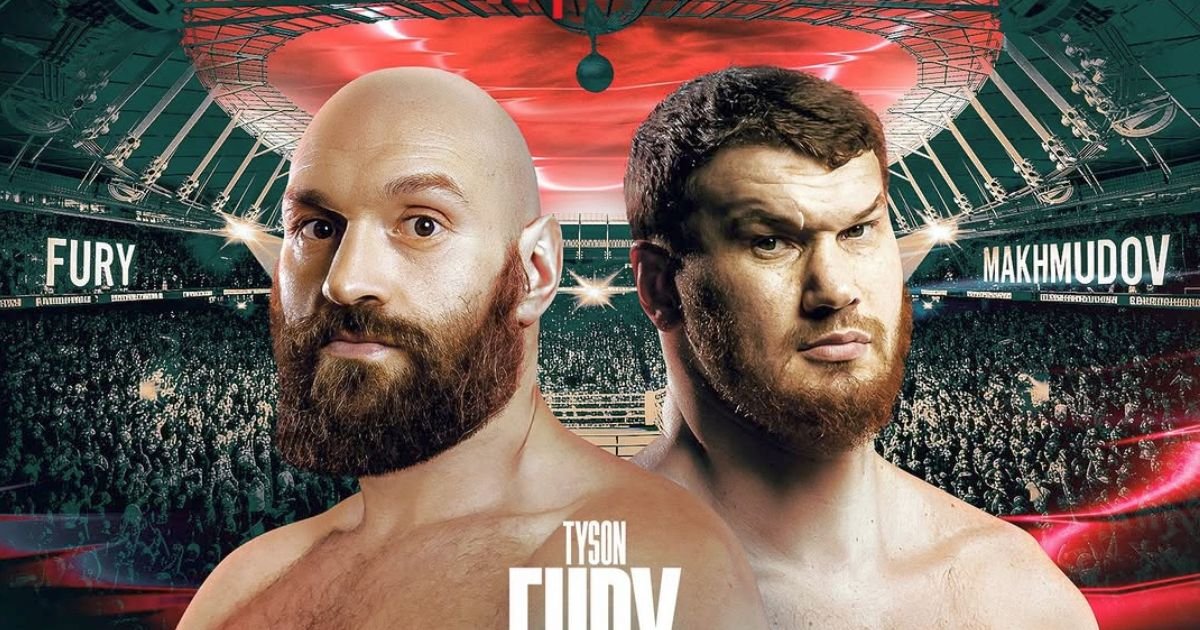
A similar story followed with Tyson Fury. Despite shared opponents and overlapping timelines, Joshua and Fury never met at their commercial peaks. Mandatory obligations, contractual disputes, broadcast politics and concerns over losing leverage all played a role. In trying to protect records and bargaining positions, the sport lost fights that fans were desperate to see.
Paul has taken the opposite approach. He has accepted that losses do not end relevance if the spectacle remains strong. By focusing on audience reach and showmanship, he has created situations where saying no makes less sense than saying yes. Anthony Joshua, now operating outside the title picture, steps into a fight that offers massive exposure and a global platform.
For boxers watching from the sidelines, the lesson is clear. Talent matters, but timing, decisiveness and willingness to take risk matter just as much. Jake Paul did not wait for the perfect sporting moment. He created a commercial one, and boxing followed.
READ MORE: Does Andrew Tate Own Sidekick? Fans Convinced He Does