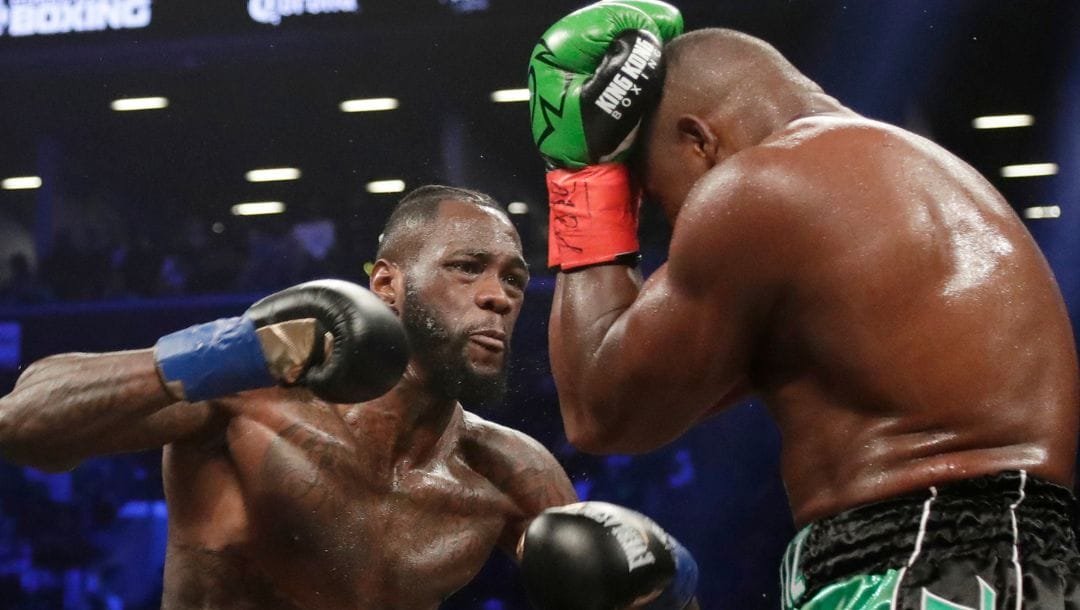


Fighting in ice hockey often shocks new fans. Gloves drop, punches are thrown, and referees stand back until it’s over. To outsiders, it can look like boxing has been randomly inserted into a team sport. Yet for decades, fighting has been an accepted though regulated part of professional ice hockey, particularly in North America.
So is boxing actually allowed in ice hockey? Not exactly. Fighting is technically against the rules, but unlike most sports, it is penalised rather than automatically resulting in ejection. In leagues like the National Hockey League, players who fight receive a five-minute major penalty, meaning both teams play short-handed or even-strength depending on the situation. As long as referees judge the fight to be mutual and controlled, players are rarely thrown out unless additional violations occur.
Fighting in hockey has deep historical roots. In the early days of the sport, physical intimidation was seen as a way to establish dominance and protect teammates. This culture evolved into the role of the “enforcer,” a player whose job was to deter cheap shots and retaliate if star players were targeted. While the pure enforcer role has declined in modern hockey, the mindset behind it still exists.
One major reason players fight is self-policing. Hockey is played at extreme speed on a hard surface with sharp skates and sticks, making dangerous hits inevitable. Rather than relying solely on officials, players often respond immediately when they feel a teammate has been wronged. A fight can send a message that reckless play will not be tolerated.
Momentum also plays a role. A well-timed fight can energise a team, wake up a flat crowd, or shift the emotional tone of a game. Coaches rarely instruct players to fight outright, but many acknowledge the psychological impact it can have. In tight games, that emotional spark can matter.
Another factor is respect and unwritten rules. Players are expected to “answer the bell” if they deliver a borderline hit or challenge an opponent verbally. Refusing to engage can sometimes lead to further targeting later in the game. In this sense, fighting is often about conflict resolution within hockey’s own code.

SHOP: Kickboxing Equipment
Fighting has declined significantly over the past decade. Increased concern over player safety, concussions, and long-term brain injuries has led to stricter officiating and cultural shifts within the sport. Youth leagues and international competitions largely ban fighting outright, and even the NHL has seen fight totals drop year on year.
However, it hasn’t disappeared. Many fans still see fighting as part of hockey’s identity, arguing that it helps regulate physical play and adds raw emotion to the sport. Critics counter that it glorifies violence and puts players at unnecessary risk.
For now, fighting remains a unique, controversial element of ice hockey not officially “allowed” like boxing, but tolerated within tightly controlled limits that set the sport apart from almost every other major team game.